











Why does standing desk matter? A standing desk matters because it makes movement easier during a desk job. The main health benefits do not come from simply standing all day. They come from reducing prolonged sitting, changing position, and adding more physical activity throughout the day. Used well, standing desks and sit stand desks may support blood flow, posture, energy levels, comfort, and overall health.
Why Does a Standing Desk Matter for Office Workers?
For many office workers, computer work means staying seated for long hours at the same office desk. A traditional desk can make static sitting feel normal: you answer messages, join calls, look at the computer screen, and remain in one position for extended periods without noticing how much sedentary time has passed.
That routine matters because prolonged sitting is associated with less daily movement and less favourable health outcomes. Research has linked high sedentary time with an increased risk of cardiovascular disease, type 2 diabetes, weight gain, and other health issues.
This does not mean sitting is always harmful or that standing prevents heart disease. It means the body benefits from regular position changes rather than long periods of inactivity.
Using a standing desk creates an accessible lifestyle change. Unlike fixed office furniture, standing desks allow the desk height to move with the user. Instead of choosing between sitting or standing for the entire day, a height adjustable desk lets you move between both. That small change can have a positive impact on well being, comfort, heart health, and the way work fits into a healthier routine.
Standing Desks Can Reduce Sitting Time
One of the clearest potential benefits of standing desks is lower sitting time. A systematic review of workplace interventions found that sit stand desks can reduce workplace sitting by roughly 84–116 minutes per day in short-term studies.
A scoping review of sit stand workstations has also highlighted standing desks as a practical way to break up sedentary behaviour, although results vary according to study design and user habits.
The point is not to replace the same number of seated hours with static standing. Simply standing for long periods can create a different set of problems. The better approach is sitting and standing in a flexible rhythm, with taking breaks and walking whenever possible.
For office workers, that might mean standing during a short meeting, sitting for focused writing, standing while reviewing a document, and taking a two-minute walk between tasks. This pattern reduces static sitting without turning the working day into a test of endurance.
Standing desks are most useful when they make these changes easy enough to repeat throughout the day.
Better Blood Flow, Energy, and Mental Health
Changing from a seated position to a standing position activates more postural muscles and may encourage more movement in the legs. This can support blood flow, especially when standing is combined with weight shifts, calf raises, or short walks.
Better blood flow is often described as one reason users feel less sluggish during long hours at a desk.
Standing desks may also have a positive impact on mental health and overall mood. Some users report increased energy, increased energy levels, stronger engagement, and less fatigue when they alternate between sitting and standing.
More alertness can make it easier to reset between tasks, which may support work performance, improved productivity, and increased productivity.
These effects are not guaranteed. Research on increased productivity is mixed, and standing desks alone cannot transform motivation. Still, a more active workstation can make the body feel less locked in place.
For people living a sedentary life, that sense of movement can improve the rhythm of the day and support healthier work habits.
Standing Desks, Posture, and Neck Pain
Standing desks can support improved posture, but only when the standing height, desk height, and computer screen are adjusted correctly. Standing at the wrong height may increase neck pain, wrist pain, shoulder tension, lower-back pain, or other musculoskeletal issues.

For good posture, raise the desk until your elbows sit close to a 90-degree angle. Keep the shoulders relaxed, the wrists straight, and the body in a neutral position.
The top of the monitor should be at eye level or slightly below eye level. Your standing height should allow you to type without shrugging, twisting, or leaning forwards.
Good spinal alignment depends on more than standing. It depends on how the feet, hips, spine, shoulders, and head work together.
Alternating position can reduce pressure created by static sitting, but static standing may also contribute to pain, leg fatigue, foot pain, and musculoskeletal disorders when continued for extended periods.
The most useful posture is therefore not one perfect position. It is the next comfortable position. Changing between seated and standing work gives different muscle groups a chance to recover and may reduce pain and discomfort throughout the day.
What About Heart Health, Blood Glucose Levels, and Weight?
Breaking up sitting may support heart health and metabolic health, particularly when standing is paired with light walking.
Studies suggest that interrupting long periods of sitting can influence blood glucose levels after meals. Increased movement also supports calorie burning and helps the body use more energy than remaining completely still.
Standing does burn more calories than sitting, but the difference is modest. A systematic review estimated that standing uses around nine more calories per hour than sitting on average.
A treadmill desk can burn more calories because walking requires more effort. However, a treadmill desk may not suit detailed computer work, video calls, or every office environment.
Standing desks should not be presented as a cure for weight gain, obesity, diabetes, or heart disease. They are office furniture, not medical treatment.
Their value lies in making movement easier and reducing one risk factor within a wider routine. When combined with regular exercise, balanced nutrition, sleep, and medical guidance where needed, using a standing desk can form part of a broader lifestyle change.
Avoid Static Standing for Long Periods
Static standing is a common concern. Staying upright without moving for long periods may cause foot discomfort, leg fatigue, swelling, or a higher risk of varicose veins in some workers.
It can also create a risk of new pain when someone changes too quickly from an entirely seated routine. This is why simply standing from morning until evening is not the goal.
Try switching between sitting and standing every 30–60 minutes, but adjust that schedule to your comfort and workload. Supportive footwear and an anti-fatigue mat can help.
Small movements matter too. Shift your weight, bend your knees gently, walk to refill water, or stretch between tasks.
Standing desks can encourage movement, but they cannot replace physical activity away from the desk. For stronger health outcomes and lower long-term risk, combine sit stand work with walking, strength training, mobility work, and regular breaks from the computer screen.
How to Set Up a Blacklyte Standing Desk
A well-designed height adjustable desk should adapt to the user rather than forcing the user to adapt to the office furniture.
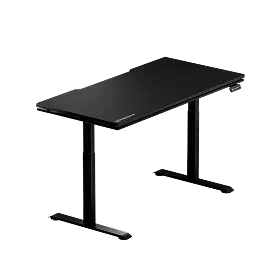
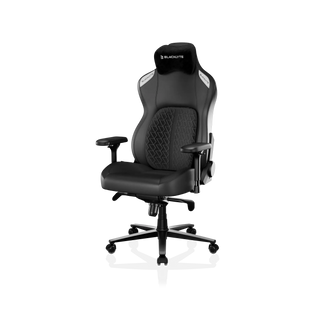
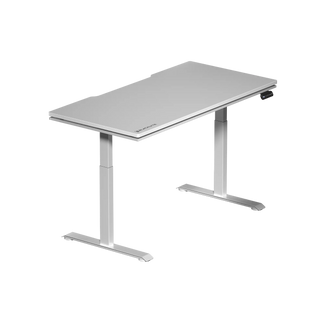
The Blacklyte Atlas Lite Standing Desk offers electric height adjustment, dual motors, memory presets, anti-collision protection, integrated cable management, and size options for office workers, gamers, creators, and home-office users.
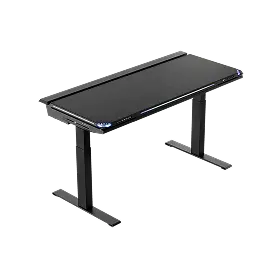
The Blacklyte Atlas Desk adds a broad adjustment range, magnetic surface, integrated power supply column, and LED lighting for a more complete workspace.
Start by saving one seated desk height and one standing height. In the seated position, keep the feet supported and the elbows close to the body. In the standing position, keep the keyboard around elbow level and the monitor at eye level.
A monitor arm can make it easier to maintain a neutral position in both modes.
Standing desks work better when the transition feels effortless. Memory controls reduce friction, while cable management keeps the desk clear as it moves.
Explore the Blacklyte standing desk collection, read the guide on how to use a standing desk correctly, or use the Blacklyte desk and chair ergonomics guide to build a healthier setup.
The Bottom Line
The real health benefits of standing desks come from movement, not from standing continuously. Sit stand desks can reduce sitting time, support blood flow, encourage good posture, and make taking breaks easier.
Standing desks may also support increased energy, overall mood, and work performance for some users.
A standing desk will not eliminate every risk linked to a sedentary life, and it cannot guarantee improved productivity or prevent cardiovascular disease. Its strongest benefit is simpler: it gives the body more opportunities to move throughout the day.
For office workers who spend long hours at an office desk, choosing adaptable office furniture can be a meaningful step towards lower risk, better comfort, healthier habits, and better overall health.
Health note: This article provides general ergonomic and workplace information. Persistent pain, numbness, swelling, or other health issues should be discussed with a qualified healthcare professional.


