










Gaming Chair Base Replacement: Steel vs Aluminum 5-Star Bases Explained
You've just noticed your gaming chair wobbling, tilting to one side, or sporting a hairline crack in one of its legs. Before you assume the whole chair is done, check the base first. The 5-star base at the bottom of your chair is a replaceable component — and choosing the right replacement material can make the difference between a wobbly compromise and a foundation that outlasts the rest of the chair.
The two serious contenders for a gaming chair base replacement are steel and aluminum alloy. Both are far superior to the nylon or plastic bases found on budget chairs, but they have genuinely different performance profiles. Weight, corrosion resistance, load capacity, and finish quality all shift meaningfully between the two materials. This guide breaks down every important factor so you can make an informed upgrade — and explains exactly how Blacklyte approaches base selection across its gaming chair lineup.
What Is a 5-Star Gaming Chair Base?
The base of a gaming chair is the star-shaped platform that sits on the floor, connects the caster wheels, and accepts the hydraulic gas piston from above. The "5-star" designation simply refers to the five radiating arms of the base — a geometry that became the standard for swivel chairs because it distributes weight evenly across five points of contact, creating a wide, stable footprint that a three- or four-point base cannot match. Nearly every serious gaming and ergonomic office chair on the market uses this five-arm configuration for exactly that reason.
The size of the base also matters. Standard 5-star bases for gaming chairs measure approximately 27–28 inches in diameter, and each arm must protrude far enough beyond the seat edge to prevent tipping. If you're sourcing a replacement, verifying the diameter and the central stem bore (typically a 2.5-inch industry standard) ensures compatibility with your existing gas piston and caster wheels. Getting either measurement wrong by even half an inch can compromise both stability and safety.
When Does a Gaming Chair Base Need Replacing?
The base is one of the most durable parts of a well-made gaming chair, but years of daily use, repeated rolling on hard floors, and the cumulative stress of reclining and shifting weight all take a toll. Recognizing the failure signs early helps you act before a structural problem becomes a safety issue.
Common signs that it's time to replace your gaming chair base include:
- Visible cracks or fractures on any arm — even a hairline crack can propagate rapidly under load
- Persistent wobble that isn't coming from loose casters or a worn gas piston
- The chair tilts in one direction when you sit down, suggesting an arm has deformed or partially separated
- Surface rust spreading inward from a damaged protective coating on a steel base
- Creaking or popping sounds from the base hub area, which can indicate the central sleeve is wearing out
Before spending money on a replacement, check whether your chair is still under warranty. Blacklyte chairs and desks carry warranties extendable up to five years, so a covered base replacement should be your first call — reach out via the Blacklyte contact page to confirm your eligibility before purchasing third-party parts.
Chair Base Materials: Your Options at a Glance
Gaming chair bases are manufactured from four main materials. Understanding where each sits in the quality hierarchy helps frame the steel vs. aluminum decision that follows.
- Nylon / Plastic: The least expensive option and the most common material in budget chairs. Lightweight but susceptible to cracking under sustained load, UV degradation, and the kind of "cold flow" deformation that gradually makes a base feel unstable. Avoid using nylon as a replacement unless you are fitting a very lightweight chair used infrequently.
- Steel: A significant upgrade over nylon. High tensile strength, resistant to impact, and capable of supporting substantial weight capacities. The primary drawback is density — steel weighs roughly three times more than aluminum at comparable structural thickness, which translates directly into a noticeably heavier chair.
- Aluminum Alloy: The material used in premium and flagship gaming chairs. Die-cast aluminum alloy delivers an excellent strength-to-weight ratio, natural corrosion resistance, and a refined metallic finish. It is the most widely recommended material for a high-performance gaming chair base replacement.
- Carbon Fiber / Graphite: An elite-tier material found on ultra-premium ergonomic office chairs costing well north of $1,000. Exceptional in both weight and look, but essentially unavailable as an aftermarket replacement part for gaming chairs at any practical price point.
For most gamers replacing a worn-out base, the real decision is between steel and aluminum. Both are genuine metal, both are far more durable than nylon, and both are widely available as aftermarket 5-star replacements. The sections below explain exactly where they diverge.
Steel vs Aluminum 5-Star Bases: The Full Breakdown
Weight and Mobility
This is the most immediately felt difference between the two materials. Steel has a density of approximately 7.8 g/cm³, while aluminum alloy sits around 2.7 g/cm³. That means a steel base weighs roughly three times as much as an aluminum base of equivalent geometry. In practical terms, aluminum bases typically weigh 30–50% less than comparable steel bases — a difference you feel every time you reposition your chair or carry it across the room. For gamers who rearrange their setup regularly, work from different positions, or simply don't want a chair that feels anchored to the floor, aluminum is the clear choice on this dimension alone.
Strength and Load Capacity
Steel's higher density translates into greater raw tensile strength, which is why it remains the preferred material for heavy-duty commercial applications where chairs face extreme impact or very high weight loads. For a gaming or home-office context, however, high-quality die-cast aluminum alloy provides more than sufficient structural integrity. Premium aluminum bases are routinely rated to support 250–300 lbs or more, and the five-spoke geometry distributes that load evenly across all contact points so no single arm bears disproportionate stress. The key quality indicator is not simply "aluminum vs steel" — it is whether the base has been die-cast (solid, precise, consistent) rather than extruded or fabricated from thinner-walled material.
It's also worth noting that the most common failure point in any base is not the arms themselves, but the central hub where the gas piston sits. A precisely machined hub sleeve — whether in aluminum or steel — is what prevents the chair from developing a lateral wobble over time. This is one of the reasons that manufacturing quality matters as much as material choice when sourcing a replacement base.
Corrosion and Long-Term Durability
Aluminum has a built-in corrosion advantage. When exposed to moisture, aluminum naturally forms a thin oxide layer that seals the underlying metal and prevents further degradation — a self-protecting property that requires no maintenance intervention. Steel, by contrast, is susceptible to rust the moment its protective coating is compromised. Powder-coated and chrome-plated steel bases hold up well when the finish is intact, but a single chip or scratch in a high-humidity environment can initiate rust that spreads inward over months. For a gaming setup in a climate-controlled room this matters less, but for anyone in a humid environment or a basement setup with variable temperatures, aluminum's inherent corrosion resistance is a tangible long-term benefit.
Aesthetics and Finish Quality
Aluminum alloy takes surface treatments exceptionally well. Brushed aluminum, anodized black, and powder-coated matte finishes all adhere cleanly to die-cast aluminum, producing the kind of refined, premium-looking base that matches the aesthetic standard of high-end gaming setups. Steel bases are most commonly finished in chrome or powder-coat, which can look excellent on a new chair but tend to show scratches, chips, and surface dullness more readily over time. If the visual quality of your setup matters — and for most serious PC gamers it does — aluminum is the more durable choice for long-term appearance as well as performance.
Cost Considerations
Steel is the more cost-effective option upfront. The raw material is less expensive than aluminum, and the manufacturing processes involved in producing a steel base are generally cheaper. This makes steel a reasonable replacement if budget is the primary constraint and the chair itself is not a premium model. Aluminum bases carry a higher initial price, but they typically deliver better value over the chair's full lifespan — lighter to live with, more resistant to corrosion, and visually cleaner for longer. If you are replacing the base on a mid-range or flagship gaming chair, it makes little sense to underspec the base relative to the rest of the chair's quality.
Quick Comparison: Steel vs Aluminum at a Glance
| Factor | Steel Base | Aluminum Alloy Base |
|---|---|---|
| Density | ~7.8 g/cm³ (very heavy) | ~2.7 g/cm³ (lightweight) |
| Weight vs. Comparable Steel | Baseline (heaviest metal option) | 30–50% lighter |
| Raw Tensile Strength | Higher — better for extreme loads | Excellent for typical gaming use |
| Corrosion Resistance | Requires protective coating | Naturally corrosion-resistant |
| Finish Quality | Chrome or powder-coat; shows wear | Brushed, anodized, powder-coat; holds up well |
| Upfront Cost | Lower | Higher |
| Long-Term Value | Good if finish is maintained | Excellent — lower maintenance over time |
| Best For | Heavy-duty use, budget replacements | Premium chairs, daily gaming, long-term setups |
How to Choose the Right Replacement Base
Before purchasing a replacement 5-star base, there are a few non-negotiable compatibility checks to run. Getting these right is more important than the material debate — a perfectly engineered aluminum base is worthless if it doesn't fit your chair's piston.
- Stem bore diameter: The central opening that accepts the gas piston is typically 2.5 inches (approximately 50mm) on standard gaming chairs. Confirm this measurement before ordering.
- Base diameter: Standard gaming chair bases run 27–28 inches across. Wider is generally more stable; confirm the replacement matches or exceeds your original.
- Caster compatibility: Most replacement bases accept standard 11mm caster stems, but verify this against your existing wheels to avoid a second parts order.
- Weight capacity rating: Cross-reference the replacement base's rated load with your own body weight, adding a 20% buffer to account for the dynamic forces of sitting down, reclining, and shifting position during long sessions.
- Finish match: If aesthetics matter to your setup, match the base finish (matte black, brushed aluminum, chrome) to your chair's existing hardware and armrests for a cohesive look.
As a general rule: if you are replacing the base on a premium or flagship chair, replace it with aluminum alloy. Fitting a steel base onto a high-end chair is a functional compromise that doesn't match the chair's performance level. If you are replacing the base on an entry-level chair and budget is a genuine constraint, a quality steel base is a solid and durable upgrade over a failed nylon one.
How to Replace a Gaming Chair Base
Replacing a 5-star gaming chair base is a straightforward DIY task that requires no specialist tools and takes around 15–20 minutes. The key principle is that chair base components are held together by push-fit connections, not bolts — meaning the gas piston is simply pressed into the central bore of the base and relies on friction to stay seated. Here's how to do it safely:
- Gather your tools – You'll need a rubber mallet, a can of penetrating lubricant (such as WD-40), and optionally a flathead screwdriver for prying casters off the base arms.
- Lay the chair on its side – Place it on a soft surface to avoid scratching the floor or the chair's frame. This gives you clear access to the underside.
- Remove the caster wheels – Pull each caster firmly outward from the base arm. They should pop free with steady hand pressure. If they resist, a flathead screwdriver provides gentle leverage at the joint.
- Separate the base from the gas piston – Hold the base firmly with one hand and attempt to pull it away from the piston by hand. If the piston is stuck in the base hub (common on older chairs), apply penetrating lubricant around the junction, wait 2–3 minutes, then use the rubber mallet to tap the base free from below.
- Seat the new base onto the gas piston – Align the central bore of your new replacement base over the top of the piston and press down firmly until it clicks into position. You should feel solid resistance when it's fully seated.
- Reattach the caster wheels – Press each caster stem firmly into the arm sockets until they click in. Give each one a short tug to confirm it's secured.
- Stand the chair upright and test – Sit in the chair and apply your full weight, shifting left and right and reclining gently. If there is no wobble or play at the base, the replacement is complete.
If your chair is within its warranty period, always contact the manufacturer before attempting a DIY repair — some warranty terms are voided by self-service work on structural components. When in doubt, get in touch with the Blacklyte support team before you start.
What Base Does Your Blacklyte Chair Use?
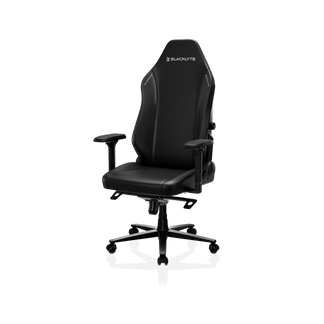
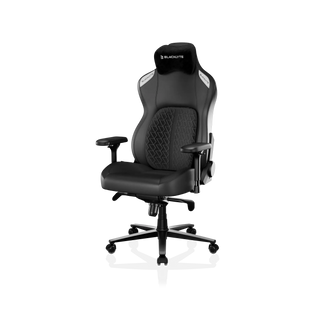
Blacklyte engineers each chair in its lineup with a base material that matches that model's performance tier and intended use. Understanding which base your chair uses helps you source the correct replacement — and underscores why base material is treated as a design decision, not an afterthought.
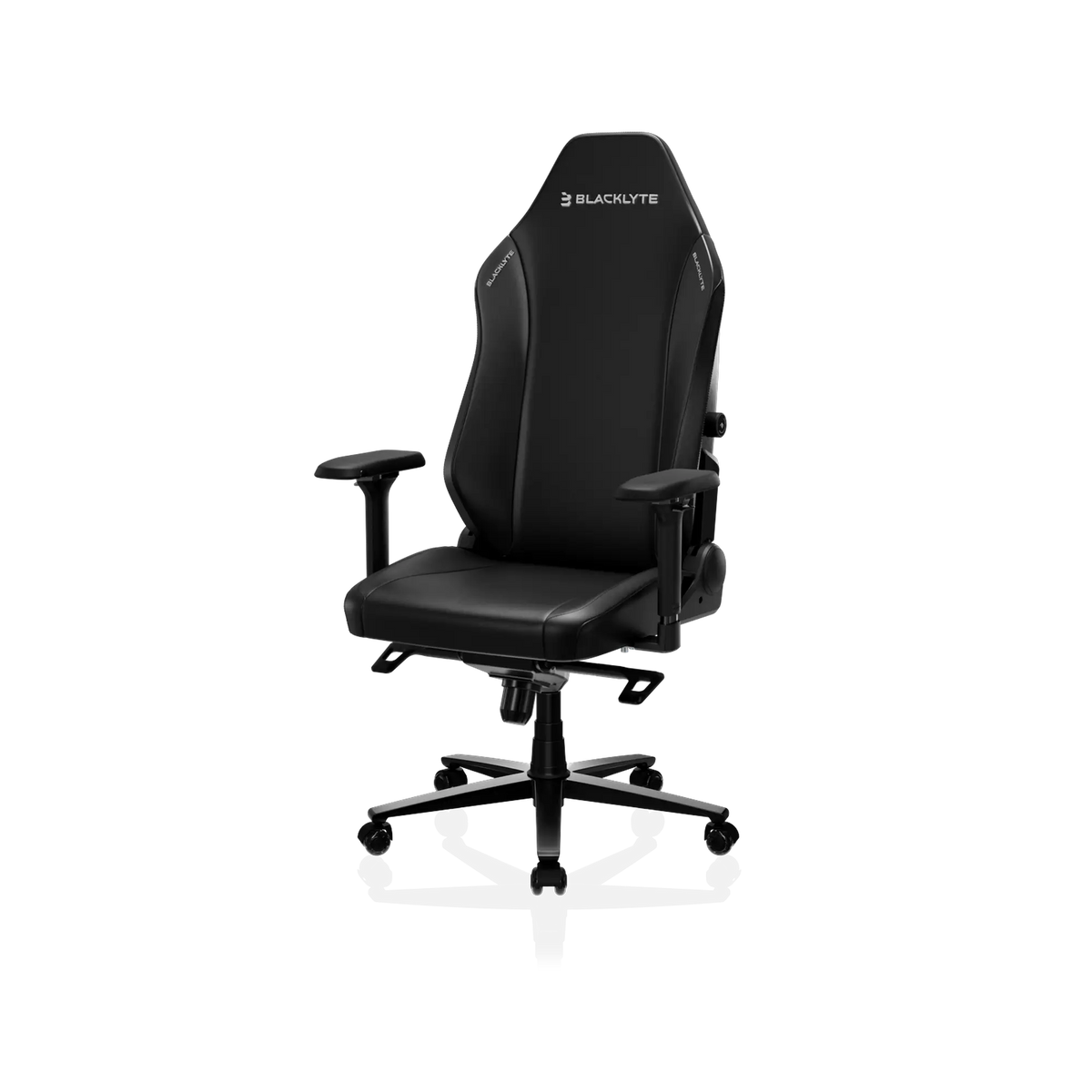
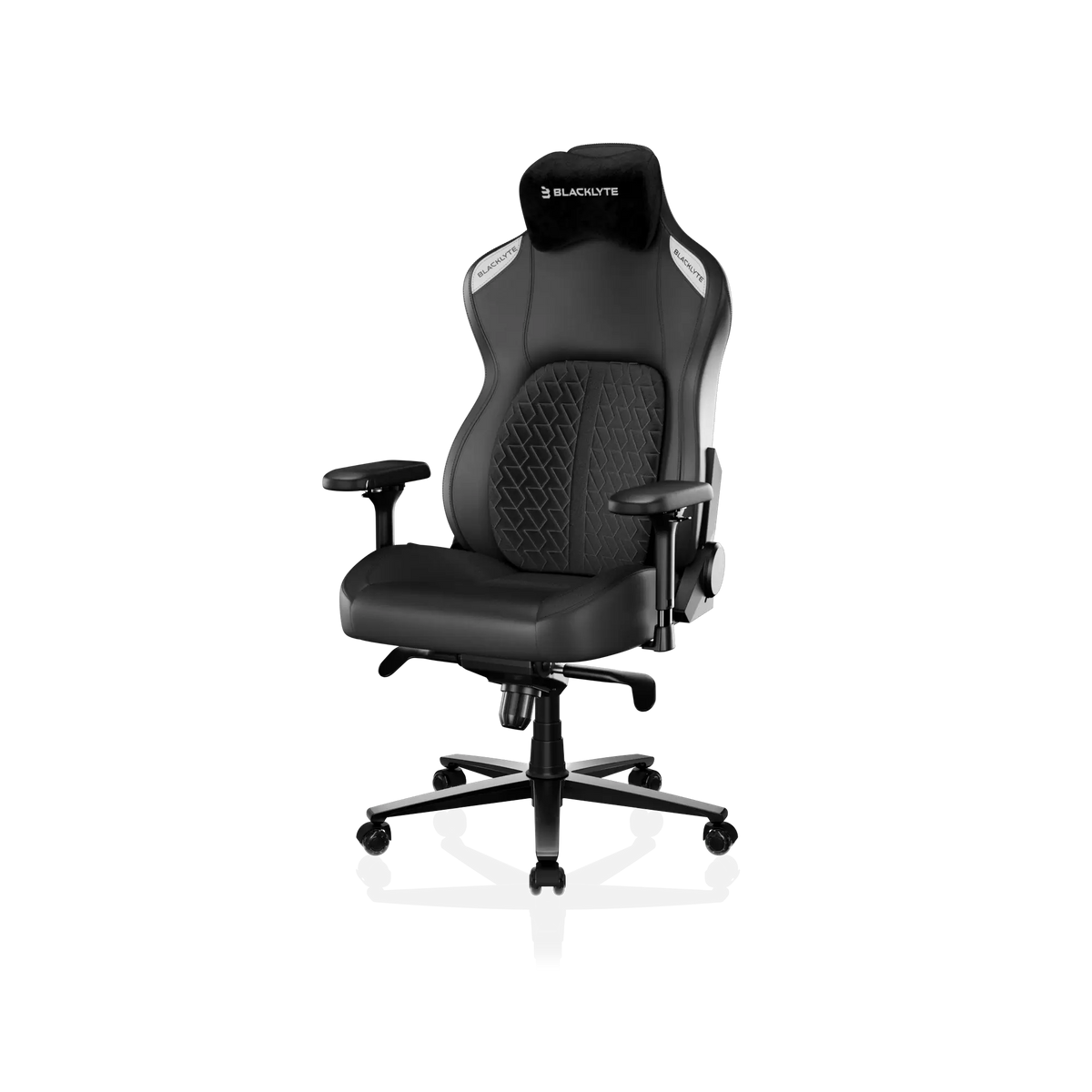
- Kraken Pro Gaming Chair (premium): Uses an aluminum alloy 5-star base. The lighter foundation complements the Kraken Pro's premium feature set — including 4D armrests, a Class 4 hydraulic gas piston, and a built-in floating lumbar support system. Replace with aluminum alloy to maintain the chair's performance and weight profile.
- Athena Pro Gaming Chair (flagship): Also features an aluminum alloy 5-star base, consistent with its position as Blacklyte's top-tier model. The Athena Pro's aluminum base pairs with its memory foam seat (infused with bamboo charcoal and silver ions), 4-way adjustable built-in lumbar, and full 4D armrests for a flagship-grade seating system built to last. Always replace with a quality die-cast aluminum alloy base.
- Athena Gaming Chair (entry-level): Ships with an aluminum alloy 5-star base. Solid, durable, lightweight, and appropriate for the chair's build tier. If replacing, a quality die-cast aluminum alloy base is the natural like-for-like choice to maintain the chair's weight and corrosion-resistance profile.
If you're considering a new chair rather than a replacement base, Blacklyte's full gaming chair lineup is available to browse and compare. The chair comparison tool lets you stack specs side by side, and the full gaming chairs collection covers every current model — trusted by over 200,000 gamers across 50+ Countries & Regions and backed by 20+ global esports partnerships.
The Bottom Line
When it comes to gaming chair base replacement, the choice between steel and aluminum alloy isn't a coin flip — it's a decision grounded in material science, real-world performance, and the quality level of the chair you're maintaining. Steel is strong, cost-effective, and a genuine upgrade over any failed nylon base. Aluminum alloy is lighter, naturally corrosion-resistant, better-looking over time, and the right match for any premium or flagship gaming chair. For most serious gamers replacing the base on a quality chair, aluminum alloy is the smarter long-term investment.
Whatever you're replacing or upgrading, the foundation matters — literally. A stable, well-fitted 5-star base doesn't just protect your chair; it protects your posture, your focus, and your setup. Get the specs right, match the material to the chair's tier, and your replacement base should outlast the question of whether you needed one in the first place.
Need Help With Your Blacklyte Chair?
Whether you have a warranty question, need replacement part guidance, or want expert advice on your next gaming chair upgrade, the Blacklyte team is ready to help. Reach out directly and get a fast, informed response.
Contact Blacklyte SupportReady to explore the full lineup? Browse all Blacklyte gaming chairs or compare models side by side.