






Fabric Gaming Chairs: Pros, Cons, and Best Picks
If you've spent any time shopping for a fabric gaming chair, you already know the options can feel overwhelming. Leatherette has dominated gaming chair aesthetics for years — bold stitching, racing-style wings, glossy surfaces — but a growing wave of gamers are looking for something that breathes better, feels softer underhand, and fits into a more refined or minimal setup aesthetic. That's where fabric chairs are quietly stealing the spotlight.
But fabric isn't a magic solution. Like any material choice, it comes with genuine trade-offs that matter depending on how long you sit, how warm your room runs, and how much maintenance you're willing to put in. This guide breaks down everything you need to know: the real advantages, the honest drawbacks, how fabric stacks up against leatherette, and which chairs are actually worth your money.
What Is a Fabric Gaming Chair?
A fabric gaming chair uses a woven textile upholstery — typically polyester, mesh, or a blended engineered knit — instead of PU leatherette or genuine leather. These chairs retain all the structural characteristics you'd expect from a performance gaming chair: adjustable recline, armrests, lumbar support, and a class-rated hydraulic gas piston for height adjustment. The difference is entirely in the surface material, and that one change has a surprisingly large ripple effect on comfort, durability, maintenance, and feel.
It's worth noting that "fabric" is a broad term. A budget polyester chair and a premium engineered knit like Blacklyte's FlexKnit™ Fabric are both technically fabric, but they perform very differently under extended use. When evaluating any fabric chair, the specific material construction matters as much as the category label.
Pros of Fabric Gaming Chairs
Superior Breathability and Temperature Regulation
The single biggest reason gamers switch to fabric is heat. Leatherette is essentially a plastic-coated surface, and plastic doesn't breathe — it traps heat and moisture against your body during long sessions. Fabric, by contrast, allows airflow through the weave, which keeps your core temperature lower and reduces that sticky, clammy feeling that plagues leatherette chairs in warm rooms. For anyone who games or works for three or more hours at a stretch, this difference is felt almost immediately.
Softer, More Natural Feel
Fabric has a tactile warmth that synthetic leather can't replicate. It feels closer to clothing than furniture, which makes initial contact more comfortable — especially in cooler environments where leatherette can feel cold and stiff. The material also tends to conform to body contours more gently, complementing the foam cushioning underneath rather than working against it.
Aesthetic Versatility
Fabric chairs tend to look more like premium office furniture and less like racing car seats. If your setup skews minimal, Scandinavian, or workspace-professional, a well-designed fabric chair fits the visual language far better than a glossy leatherette panel. The material also opens up a wider palette of muted tones, textured finishes, and pattern options that simply don't translate well to synthetic leather surfaces.
No Cracking or Peeling Over Time
One of the most frustrating long-term problems with PU leatherette is delamination — the outer coating starts to crack, peel, and flake after a few years, especially in high-humidity climates or with frequent sun exposure. Quality fabric upholstery doesn't suffer from this failure mode. A well-constructed woven surface will show wear gradually and gracefully rather than suddenly looking destroyed.
Cons of Fabric Gaming Chairs
Harder to Clean
This is the trade-off that stops most people. Leatherette wipes clean in seconds — a damp cloth handles almost any spill. Fabric absorbs liquids, and spilled drinks, food residue, or sweat can stain if not treated promptly. Depending on the weave density and any stain-resistant treatments applied, cleanup can range from straightforward to genuinely tedious. If you eat or drink at your desk regularly, this is a real practical concern to weigh honestly.
Pet Hair and Lint Accumulation
Fabric surfaces attract and hold onto pet hair, dust, and lint in a way that leatherette does not. For pet owners, this means regular lint rolling or vacuuming becomes part of chair maintenance. It's manageable, but it's additional upkeep that leatherette doesn't require.
Potential for Pilling with Lower-Quality Fabrics
Not all fabric is equal. Budget polyester upholstery can pill over time from friction — particularly at contact points like the seat edge and armrest padding. Premium engineered fabrics like performance knits are specifically constructed to resist this, but cheaper options may start looking worn within a year or two of regular use. Material quality is everything in this category.
Less Defined Visual Contrast
If you prefer the high-contrast, bold aesthetic of classic gaming chair design with sharp color blocking and glossy accents, fabric can feel more subdued than what you're after. It's a style preference rather than a flaw, but it's worth acknowledging that fabric lends itself to a different visual register.
Fabric vs. Leatherette Gaming Chairs
Choosing between fabric and leatherette ultimately comes down to your priorities. Here's a clear breakdown of where each material leads:
- Breathability: Fabric wins clearly. Leatherette traps heat; fabric dissipates it.
- Maintenance: Leatherette wins. Spills wipe off immediately; fabric requires more careful cleaning.
- Long-term durability: Quality fabric wins. Leatherette can crack and peel; a well-made fabric weave ages more gracefully.
- Aesthetic range: Fabric wins for workspace and minimal aesthetics. Leatherette wins for bold, esports-inspired looks.
- Initial feel: Fabric feels softer and warmer; leatherette feels slicker and firmer on contact.
- Pet-friendliness: Leatherette is easier to maintain if you have pets that shed.
The best choice isn't universal — it's personal. A gamer in a warm room who logs six-hour sessions will likely prefer fabric. Someone who works in a cooler environment and wants low-maintenance cleaning may prefer leatherette. Both can deliver excellent ergonomic support; the material is the layer on top of that foundation, not a substitute for it. You can explore both options side by side at Blacklyte's chair comparison tool.
What to Look for in a Fabric Gaming Chair
Shopping for a fabric gaming chair requires looking past the marketing and into the actual construction. Here are the factors that separate a chair you'll love in year three from one you'll regret in year one:
- Fabric quality and weave type: Look for engineered knit or performance-grade woven fabrics rather than generic polyester. These are built for durability, breathability, and resistance to pilling.
- Foam density: The cushioning underneath the fabric matters enormously. High-density cold-cure foam (in the range of 45–60 kg/m³ depending on the chair series) maintains its shape over years of use rather than compressing flat.
- Lumbar support system: Adjustable lumbar — whether built-in or via a quality pillow — is non-negotiable for long sessions. Look for chairs that let you position support precisely where your lower back needs it.
- Armrest adjustability: 4D armrests (height, width, depth, and pivot) give you meaningful control over arm positioning, which directly reduces shoulder and neck strain.
- Recline range and tilt mechanism: A recline range of 90°–149° covers the full spectrum from upright work posture to relaxed recline. A tilt mechanism with adjustable tension lets you rock slightly without fully reclining, which can relieve spinal pressure during long sessions.
- Base and caster quality: An aluminum alloy base is stronger and lighter than steel alternatives. Paired with smooth-rolling casters rated for hard floors or carpet, this affects both feel and longevity.
- Warranty coverage: A chair is a long-term investment. Look for manufacturers that offer extended warranty options rather than limiting coverage to one or two years.
For a deeper look at ergonomic principles behind seat selection, Blacklyte's ergonomics guide and Gaming Hub are worth reading before you buy.
Best Fabric Gaming Chairs to Consider
With the buying criteria in place, here's how Blacklyte's lineup addresses fabric chair shoppers across different needs and budgets.
Blacklyte Athena Pro — Flagship Fabric Chair
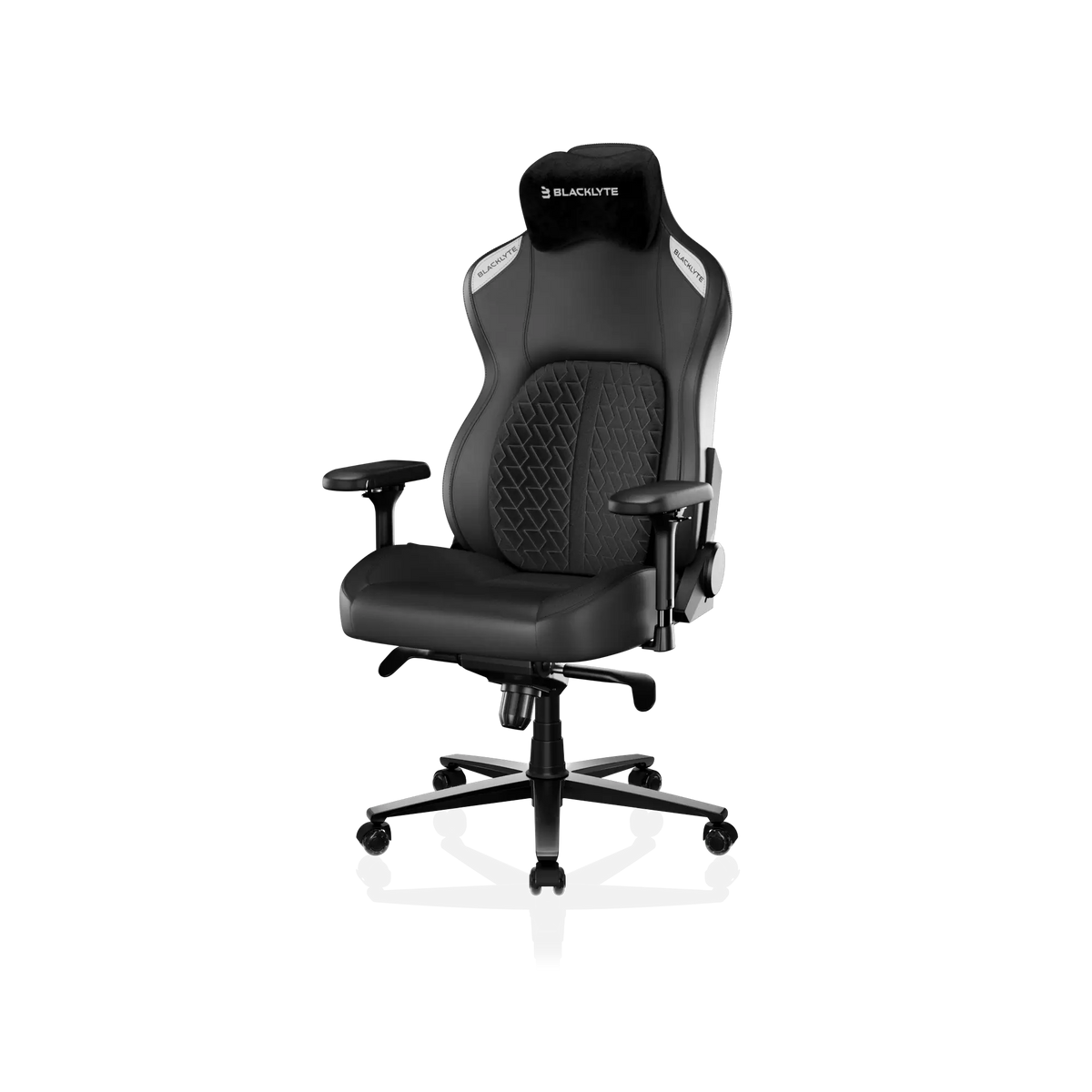
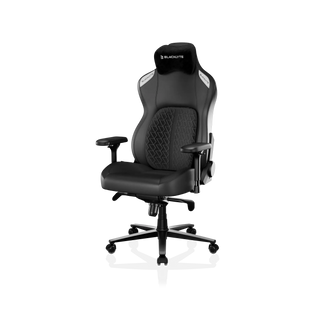
The Athena Pro is Blacklyte's flagship chair and the most technically advanced seat in the lineup. Its FlexKnit™ Fabric upholstery is an engineered performance knit designed specifically for gaming and extended work use — breathable, durable, and resistant to the pilling that plagues lesser fabrics. The seat uses a memory foam over contour-foam core infused with bamboo charcoal and silver ions for comfort and hygiene over long sessions — a construction you won't find at this price point from most competitors. The Athena Pro's built-in 4-way adjustable lumbar lets you dial in both vertical position and forward pressure independently, which is the kind of precision adjustment that makes a real difference once your lower back starts talking to you during hour four. The base is aluminum alloy, and the chair ships with 4D armrests across the full lineup. Recline covers 90°–149°, and the warranty is extendable up to 5 years.
Blacklyte Athena — Entry-Level Fabric Chair
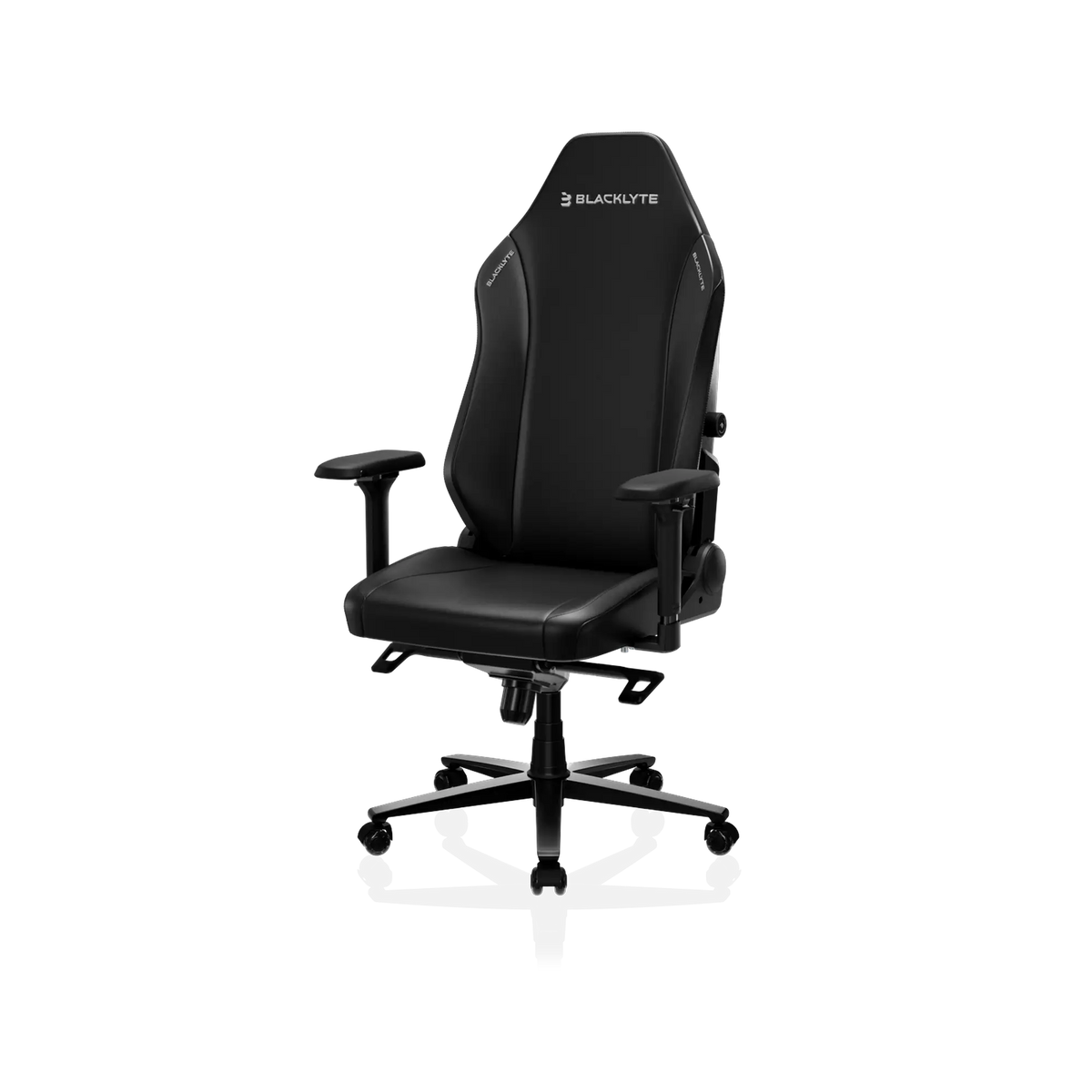
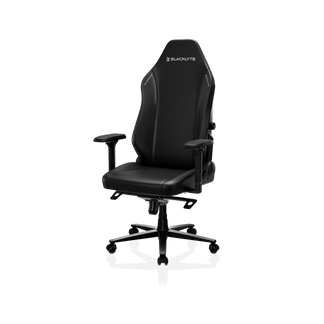
The Athena is Blacklyte's entry-level chair — a well-constructed starting point for fabric chair buyers who want genuine ergonomic engineering without stepping into the flagship tier. The seat uses contour foam (55–60 kg/m³), and lumbar support is handled via an external lumbar pillow, which works well and allows some positional flexibility. All other core specs — 4D armrests, Aluminum alloy base, 90°–149° recline, Class 4 hydraulic gas piston, FlexKnit™ Fabric — are consistent with the rest of the lineup. It's a honest entry point into the Blacklyte ecosystem rather than a stripped-down version of a real chair.
You can compare both chairs directly using Blacklyte's chair comparison tool, or browse the full gaming chair collection to see current availability and any active promotions.
Final Verdict: Is a Fabric Gaming Chair Right for You?
Fabric gaming chairs have moved well past novelty status. For the right buyer — someone who runs warm, logs long sessions, wants a chair that fits a more refined setup aesthetic, or is simply tired of leatherette peeling after a few years — fabric is genuinely the better material choice. The trade-offs around maintenance and pet hair are real, but they're manageable for most people once they know what they're getting into.
The key is not choosing fabric as a category and assuming all fabric chairs are equal. The material quality, foam construction, lumbar engineering, and build quality underneath that fabric are what will determine whether you're still comfortable in that chair two years from now. Blacklyte's FlexKnit™ Fabric lineup — built on 20 years of ergonomic engineering and trusted by over 200,000 gamers across 50+ Countries & Regions — is designed to address exactly those long-term performance requirements, from the flagship Athena Pro down to the entry-level Athena.
If you're ready to find the right fit, explore the full Blacklyte gaming chair range or use the chair comparison tool to match specs to your specific needs.
Not Sure Which Chair Is Right for You?
Our team is here to help you find the perfect fit for your setup, body type, and session length. Whether you're deciding between fabric and leatherette or comparing specific models, we're happy to walk you through it.
Contact Us