







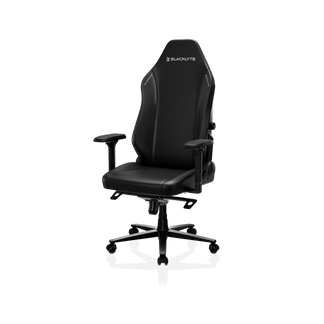
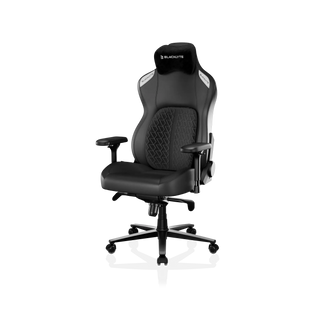


You clock serious hours in your gaming chair — whether you're grinding ranked matches, putting in deep work sessions, or doing both in the same day. Over time, that investment starts to show the wear: sweat, body oils, dust settling into seams, the occasional energy drink casualty. A neglected chair doesn't just look bad — it degrades faster, harbors allergens, and quietly chips away at the comfort and support you paid for.
The good news is that cleaning a gaming chair properly doesn't require a full afternoon or specialized equipment. It does, however, require knowing what your chair is made of and treating each material accordingly. Fabric, mesh, and PU leather (leatherette) each respond differently to moisture, agitation, and cleaning agents — and using the wrong approach on any of them can cause irreversible damage.
This guide walks you through exactly how to clean a gaming chair, material by material, with clear steps, the right tools, and a frank breakdown of what to avoid. Whether you own a Blacklyte Kraken Pro, an Athena Pro, an Athena, or any other gaming chair in your setup, these principles apply across the board.
Why Regular Cleaning Matters More Than You Think
It's easy to underestimate how much a chair accumulates during regular use. Every session deposits sweat, body oils, skin cells, and microscopic debris into the upholstery. On porous materials like fabric and mesh, these particles penetrate deep into the fibers over time. On PU leather and leatherette surfaces, body perspiration gradually shifts the pH balance of the coating — and when that happens consistently without cleaning, the protective polyurethane film begins to break down. The result is stiffness, cracking, and eventually the dreaded surface peeling that no repair kit can truly reverse.
Beyond material preservation, there's a hygiene dimension that often goes unacknowledged. Upholstered seating used daily can accumulate bacteria, dust mites, and allergens that contribute to skin irritation and poor air quality in your space. Regular maintenance — even just a quick wipe-down after heavy sessions — keeps those risks in check and extends the usable life of your chair significantly. Think of it the same way you'd think about maintaining any precision piece of equipment: a little consistent care beats an expensive rescue operation.
What You'll Need Before You Start
You don't need a professional cleaning kit to do this well. Most of what you need is either already in your home or costs very little to pick up. The exact items vary slightly by material, but here's a general toolkit that covers all three upholstery types:
- Microfiber cloths (have at least two or three on hand — one for applying, one for rinsing, one for drying)
- Soft-bristled brush or upholstery brush attachment for a vacuum
- Handheld or standard vacuum cleaner
- Mild dish soap or pH-neutral upholstery cleaner
- Small bowl of lukewarm water
- Clean spray bottle (optional, for diluted solutions)
- Isopropyl alcohol (70%) for stubborn spot stains — use sparingly and only after a patch test
- Baking soda (for fabric odor treatment)
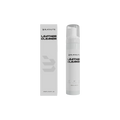
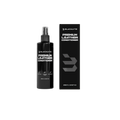
- PU leather conditioner (for leatherette and DuraGen™ Leatherette surfaces)
Avoid paper towels, magic erasers, abrasive sponges, and bleach-based products entirely. Each of these can cause lasting damage to gaming chair upholstery, which we'll cover in detail further below.
Step One: Always Check the Care Tag First
Before applying any cleaning solution to your chair, locate the care tag — typically found on the underside of the seat or along the back of the chair frame. This small label contains a one or two-letter cleaning code that tells you exactly what's safe to use on your specific upholstery. Many people skip this step and go straight to scrubbing, which is where preventable damage happens.
Here's what those codes mean:
- W — Water-based cleaners only. A mild soap-and-water solution is safe. Most faux leather and many fabric chairs fall into this category.
- S — Solvent-based cleaners only. Avoid water; use a dry-cleaning solvent instead.
- S/W — Either water-based or solvent-based cleaners are safe to use.
- X — Vacuum or brush only. No liquid cleaners of any kind.
If you've misplaced your chair's documentation or can't find a care tag, check the manufacturer's product page or reach out to their support team directly before proceeding with anything beyond dry dusting.
How to Clean a Fabric Gaming Chair
Fabric gaming chairs — including those upholstered in proprietary woven materials like Blacklyte's FlexKnit™ Fabric — offer excellent breathability but are porous by nature. Dust, oils, and debris settle deep into the weave with regular use, which means both routine maintenance and the occasional deeper clean are important. The key principle with fabric is to use as little moisture as possible and to always allow thorough air-drying before the chair is used again.
Routine Fabric Maintenance
- Vacuum first — Attach the upholstery brush to your vacuum and work methodically from the top of the chair downward. Pay special attention to seams, corners, and the crease between the seat and backrest, where debris concentrates. Do this weekly to prevent particles from embedding too deeply into the fibers.
- Spot clean fresh stains immediately — Blot (never rub) fresh spills with a dry microfiber cloth to absorb as much liquid as possible before it sets. Once the excess is absorbed, dampen a clean cloth with cool water and continue blotting from the outside of the stain inward to avoid spreading it.
- Apply a mild cleaning solution for set stains — Mix a small amount of pH-neutral upholstery cleaner or mild dish soap with lukewarm water. Apply the solution sparingly to a microfiber cloth — never spray directly onto the chair. Work in light circular motions over the stained area, then follow immediately with a barely-damp clean cloth to remove any residue.
- Deodorize when needed — If your fabric chair has developed an odor, sprinkle a light layer of baking soda over the seat and backrest and leave it for 15 to 20 minutes. Then vacuum it off thoroughly. This neutralizes organic odors without introducing moisture or chemicals into the foam beneath.
- Air dry completely — After any wet cleaning, allow the chair to air dry in a well-ventilated area away from direct sunlight and heat sources for several hours before sitting in it again. Trapped moisture inside foam-backed fabric can lead to mildew.
What to Avoid on Fabric
- Soaking the fabric with excessive liquid
- Steam cleaning (heat can warp seams and degrade foam binders beneath the upholstery)
- Bleach or bleach-based sprays (causes immediate and irreversible discoloration)
- Always patch-test any cleaning solution on a hidden area — the underside of the seat is ideal — before applying it to visible surfaces
How to Clean a Mesh Gaming Chair
Mesh upholstery is prized for its airflow and its ability to keep you cool during long sessions, but that open-weave structure is also a trap for fine dust, hair, and debris. The fibers themselves are more delicate than woven fabric, which means aggressive scrubbing is off the table. The goal with mesh cleaning is gentle agitation and controlled moisture.
Cleaning Steps for Mesh
- Vacuum with the standard attachment — Unlike fabric, which benefits from a brush attachment, mesh does better with the regular vacuum nozzle. Too much bristle agitation on mesh can catch and stress individual strands. Work slowly across the full surface area, including the back panel and side panels.
- Use compressed air for trapped debris — A can of compressed air is particularly effective for dislodging fine particles caught in tight areas of the mesh weave. Hold it at a slight angle and work in short bursts.
- Damp-wipe the mesh surface — Dampen a microfiber cloth with a mild soap-and-water solution and gently blot across the mesh. Never rub or scrub — blotting is the correct motion here. The idea is to lift surface contaminants without stretching or weakening the weave.
- Rinse with a clean damp cloth — Follow up with a cloth dampened in plain water to remove any soap residue. Leftover cleaner can attract more dirt and potentially degrade the mesh fibers over time.
- Air dry fully — Allow the mesh to dry naturally in a room with good air circulation. Mesh dries faster than fabric, but ensure the backing structure is also dry before resuming use.
What to Avoid on Mesh
- Scrubbing or rubbing — mesh strands can snag, fray, or deform under direct friction
- Isopropyl alcohol at full concentration — dilute it significantly if needed for a stubborn spot, and always patch-test first
- High-pressure water or steam
How to Clean a PU Leather (Leatherette) Gaming Chair
PU leather and premium leatherette surfaces — including Blacklyte's DuraGen™ Leatherette used across the chair lineup — are actually the most forgiving material to clean on a day-to-day basis. Because the surface is non-porous, dirt and oils sit on top rather than absorbing in. That said, the polyurethane coating is chemically sensitive. Harsh solvents, high-concentration alcohol, and acidic cleaners (like undiluted vinegar) all degrade the plasticizers that keep the material flexible. Once those break down, the leatherette becomes brittle and begins to crack or peel — and that damage is permanent.
Cleaning Steps for PU Leather and Leatherette
- Dry-dust first — Take a clean, dry microfiber cloth and wipe down the entire chair surface from top to bottom. The microfiber's static charge lifts surface dust, hair, and fine debris without introducing moisture. Do this weekly as a baseline habit.
- Wipe down with a damp cloth for general cleaning — For routine grime, sweat, and oils, slightly dampen a microfiber cloth with plain lukewarm water and wipe the surface in sections. Work from the top down and follow immediately with a dry cloth to absorb moisture. Don't let water pool in stitched seams — capillary action can draw it into the thread channels and accelerate material degradation at the joins.
- Use a mild soap solution for more thorough cleaning — A drop or two of mild dish soap in a bowl of lukewarm water works well for a deeper clean. Apply it with a damp microfiber cloth, work in gentle circular motions, and then immediately wipe down with a clean water-dampened cloth to remove all soap residue. Finish with a dry cloth buff.
- Spot-treat stubborn stains with care — For persistent stains, a cloth very lightly dampened with a 70% isopropyl alcohol solution can be effective. Never apply alcohol directly to the surface. Always patch-test first on the underside of the seat, allow it to remain for a few minutes, and check for any adverse reaction before using it on a visible area. Use this method sparingly — frequent alcohol contact will dry out the material over time even with careful application.
- Condition the surface periodically — Every two to three months, apply a PU-safe leather conditioner to replenish the plasticizers in the coating. This is especially important if the chair sits near a window or in a room with low humidity. Note: standard leather conditioners formulated for genuine hide often contain oils that leave a sticky residue on synthetic surfaces — always choose a conditioner explicitly rated for PU leather or leatherette.
What to Avoid on PU Leather and Leatherette
- Undiluted vinegar or acidic cleaners (the low pH etches the polyurethane topcoat)
- Abrasive sponges or magic erasers (functionally micro-sandpaper; they remove the surface finish)
- Baby wipes or electronics wipes (many contain glycol ethers or fragrances that degrade PU over repeated use)
- Direct sunlight exposure during storage or when not in use — UV rays accelerate synthetic polymer breakdown
- Heat-based cleaning methods including steam
Don't Forget the Armrests, Base, and Casters
The upholstery gets most of the attention, but the rest of the chair accumulates grime too. The armrests, in particular, see constant contact and collect oils and sweat just like the seat. For hard plastic or aluminum armrest surfaces — like the 4D armrests standard across the full Blacklyte lineup — a cloth dampened with a mild soap-and-water solution handles most cleaning jobs quickly. Wipe them down, then dry with a clean cloth to prevent streaking.
The caster wheels are often the most neglected part of any gaming chair. Dust, hair, and debris accumulate in the wheel housing and axle, restricting smooth movement and eventually causing squeaking or uneven rolling. To clean them properly, flip the chair over and use a vacuum's crevice tool to pull out trapped material. A pair of scissors or a seam ripper helps cut out tangled hair wrapped around the axle. Finish by wiping the outer wheel surface with a damp cloth. If the casters still feel stiff after cleaning, a small application of silicone-based lubricant on the axle restores smooth rotation without attracting more dust the way petroleum-based lubricants can.
What to Avoid: Common Cleaning Mistakes That Damage Chairs
Some of the most common gaming chair cleaning mistakes come from applying household cleaning logic to upholstery materials that behave differently. Here's a consolidated reference of what not to reach for, regardless of upholstery type:
- Bleach or bleach-based sprays — Causes irreversible discoloration on fabrics and breaks down the protective topcoat on leatherette
- Undiluted isopropyl alcohol — Strips the plasticizers from PU leather; dries and stiffens mesh fibers with repeated use
- Steam cleaners — Intense heat can melt or bubble the polyurethane film on leatherette and warp stitching tension on all materials
- Abrasive tools — Magic erasers, abrasive sponges, and stiff-bristle brushes strip surface finishes
- Excessive moisture — Soaking any upholstery pulls liquid into the foam backing, where it stalls and can cause mildew or chemical degradation
- Spraying solutions directly onto the chair — Always apply cleaning agents to your cloth first, then to the chair; direct spraying causes oversaturation in seams
Recommended Cleaning Schedule by Usage
How often you clean depends on how intensively you use the chair, the environment it's in, and whether the chair lives in a shared space. As a practical baseline:
- Weekly: Dry dusting or vacuuming (all materials). Dry microfiber wipe-down for leatherette after heavy sessions.
- Every 2–4 weeks: Damp wipe-down for leatherette surfaces. Spot-clean any fabric or mesh stains as they appear — the longer a stain sits, the harder it is to remove.
- Every 3–4 months: Deep clean for fabric and mesh. Apply PU conditioner to leatherette surfaces. Inspect and clean casters.
- Immediately: Blot any liquid spills the moment they happen, regardless of material. Speed is the single most effective stain-prevention tool you have.
If you game for more than four to five hours daily, shift these intervals shorter. If your chair is in a climate-controlled, low-traffic space, you may be able to extend them slightly — but never go more than a month without at minimum a dry dusting on any upholstery type.
Keep Your Setup at Its Best
A well-maintained gaming chair performs better and lasts significantly longer than one that's cleaned only when it starts to visibly suffer. The ergonomic support, material integrity, and overall comfort that made you choose your chair in the first place are all directly tied to how consistently you look after it. These cleaning habits take very little time once they become routine — and they protect a piece of equipment you rely on every day.
If you're exploring an upgrade or adding to your setup, Blacklyte's full gaming chair lineup — the high-end Kraken Pro, the flagship Athena Pro, and the entry-level Athena — are engineered with proprietary materials, advanced lumbar systems, and 4D armrests across the full lineup, and backed by warranties extendable up to five years. For guidance on finding the right fit, the chair comparison tool breaks down the specs side by side. And if you're thinking about your broader workstation, the ergonomics hub covers how your chair, desk, and posture work together to keep you performing at your best.
Cleaning your gaming chair isn't complicated — but it does require doing the right thing for the right material. Fabric needs gentle moisture and thorough drying. Mesh needs soft blotting and minimal liquid. PU leather and leatherette need consistent dry maintenance, careful chemistry, and periodic conditioning to stay flexible and intact. Stick to the schedule, act fast on spills, and keep harsh chemicals off your upholstery, and your chair will stay looking and performing like new for years to come.


